
Fact boundaries
Rules, payouts, and sources need clear support; do not merge different versions.
Rules · records · probability · model limits
Use verifiable rule notes and statistical thinking to understand odd/even, three-gate terms, result records, and AI analysis. This site provides knowledge explainers, not guaranteed wins or unverified live predictions.
METHOD
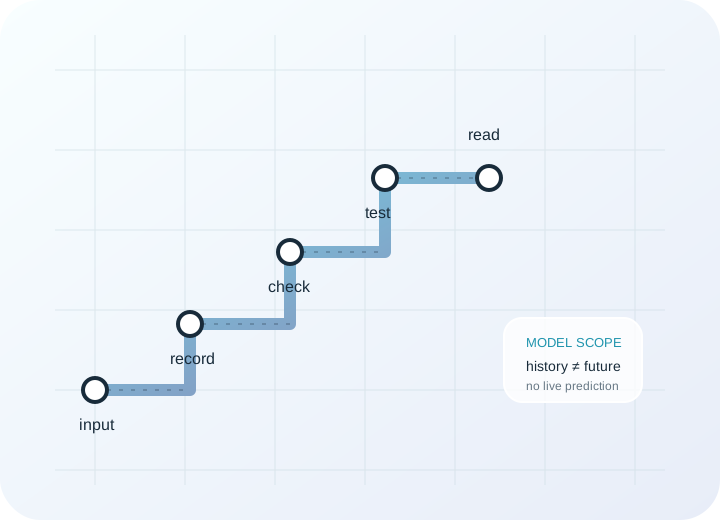
Rules, records, and models are different questions. Confirm the game version first, treat historical results as descriptive evidence, then discuss reproducible model validation.
Rules, payouts, and sources need clear support; do not merge different versions.
A trend can describe history without promising the next result.
Keep training data, holdout data, and accuracy definitions separate.
EVIDENCE CHAIN
A trend shape can create a feeling of certainty. Splitting the work into definition, record, and validation keeps the judgment reviewable.
Confirm the version, result fields, odd/even, and gate boundaries.
Keep raw values, timestamps, sources, and missingness notes.
Separate training, backtest, and independent holdout results.
CHECKLIST
Log the game name, time, source, and rule summary.
Look for missing, duplicated, edited, or time-shifted rows.
Use frequencies, ratios, and runs as descriptive statistics.
Do not turn a historical shape into a next-round promise.

READ THE RECORD
The site turns “look at the trend” into a steadier order: check the source, describe the data, then discuss models. You see both the signal and the blind spots.
AI ANALYSIS
When there is no real model and no validation dataset, the site explains the method only: required data, overfitting, leakage, accuracy checks, and the limits imposed by randomness.
Explore AI analysis →LIBRARY
The editorial set stays inside the core topic instead of padding it with unrelated keywords.
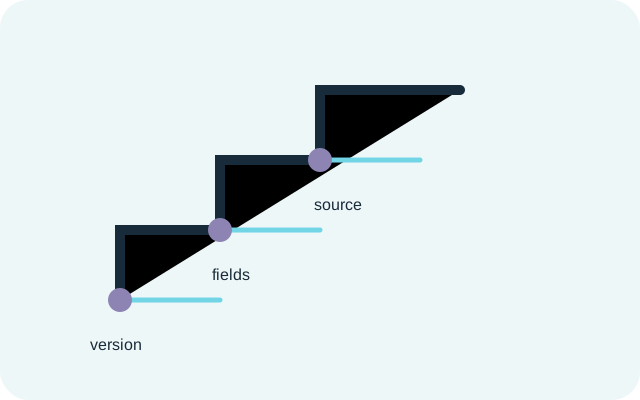
Confirm the specific game version before reading rules, payouts, and records. Do not copy one version into another.
Read article →
Treat odd/even and three-gate as result-category terms, then verify version-specific definitions and settlement rules.
Read article →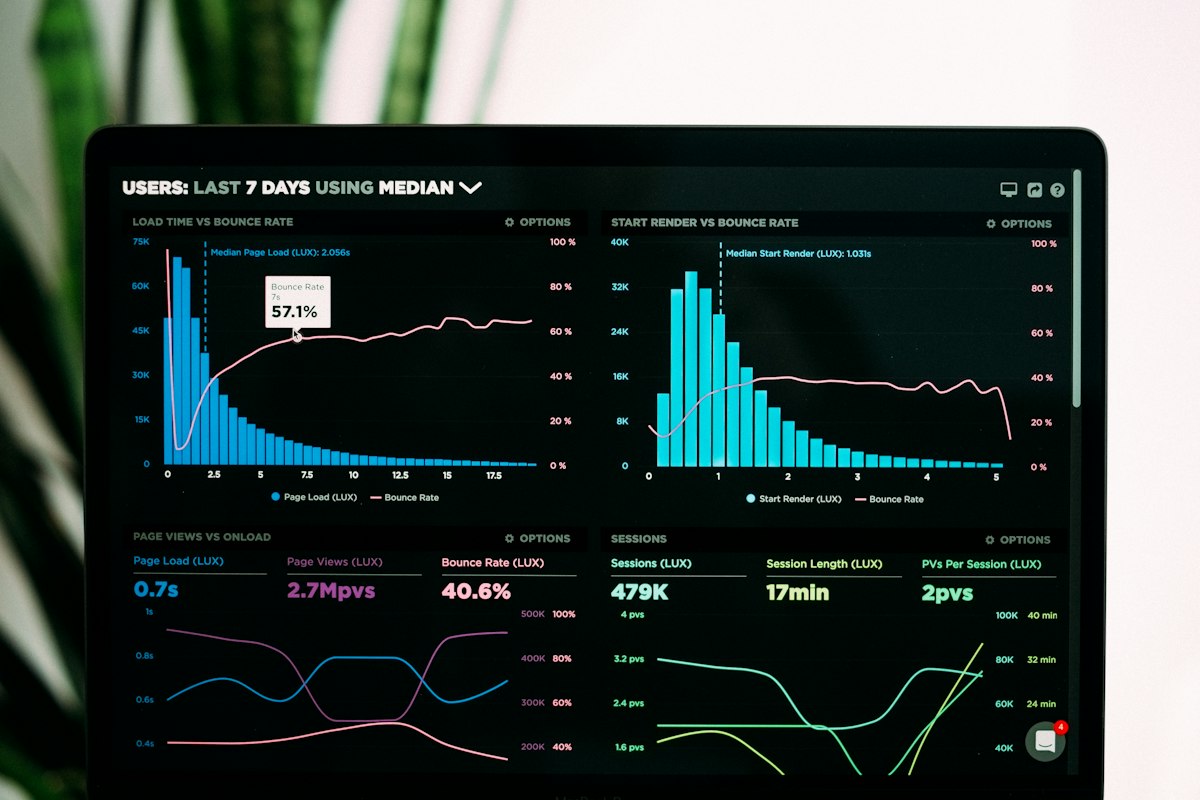
Trend charts help inspect historical records and distributions, but they do not prove the next result by themselves.
Read article →
State the sample space, independence assumptions, data source, and error range before calculating probability.
Read article →
AI analysis needs explicit inputs, reproducible methods, and independent testing. Without them, this remains a knowledge explainer.
Read article →Check the sample, baseline, test isolation, failure log, and reproducibility before trusting an accuracy claim.
Read article →FAQ
No. The site does not invent live predictions, hit rates, profit curves, or model scores.
No. Definitions, payouts, and settlement can vary by game version.
It visualizes historical records. It can support checking and description, not proof of the future.
Using the same data for tuning and evaluation makes results look more optimistic than real use.